
Bring up weight loss, and you’re bound to run into pointless advice people still buy into. Some say to skip dinner, another tells you to cut down on carbs forever. Someone else swears by detox teas and it becomes difficult to know what actually works. That’s the problem of weight loss today. Myths spread a lot faster than facts – making it tough to separate truth from fiction. Sustainable results come from habits built on actual evidence. You have to look past the usual weight loss traps if you want to protect your health and build a habit that pays off.
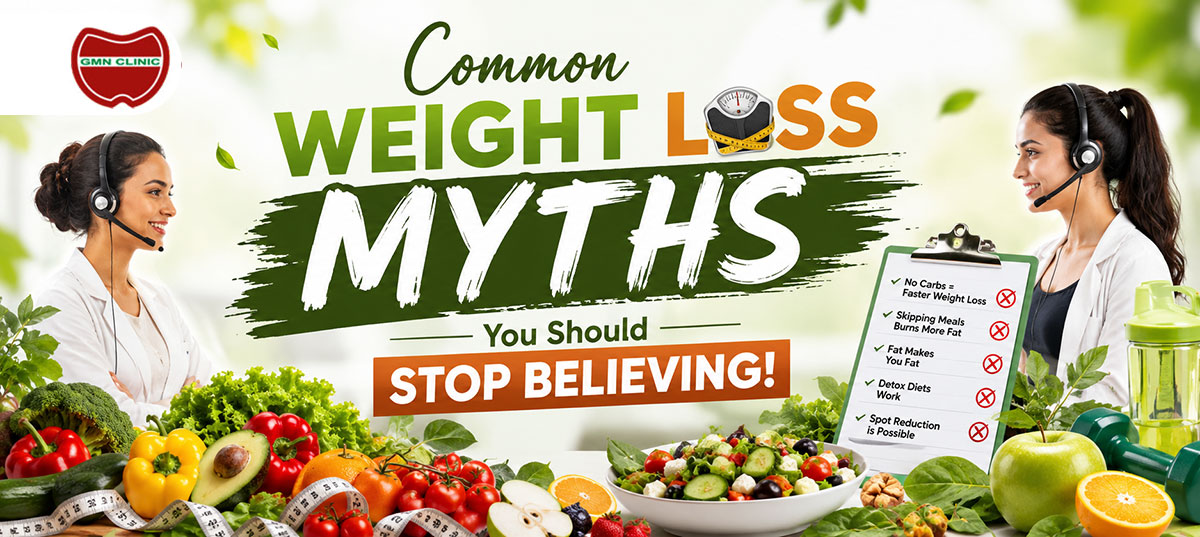
Myth #1- Meal Skip Means Faster Weight Loss
This makes perfect sense right? Eat less, lose more. But the math rarely works out that way in the real world. Many people desperate to lose weight begin with this approach – only to find themselves starving by evening and eating whatever food is available. That’s where the plan usually falls apart.
Cutting down on food works against your goals because:
- Long gaps between meals don’t do any good. You end up so hungry that practicing portion control later in the day becomes incredibly difficult.
- Your body needs enough fuel and nutrients to handle everyday activities, workouts, and even recovery.
- Try to balance your meals. Add protein and fiber plus healthy fats – the fuel that your body actually needs to prevent overeating.
- A simple eating routine doesn’t put pressure on your health and keeps you consistent.
Myth #2- Carbohydrates Are the Real Enemy
Carbs are treated like villains for weight loss. Oats are a carb source and so are cakes and pastries. But nutritionists recommend eating oats over pastries – ever wondered why?
- Whole grains are real energy sources like brown rice and oats.
- Fruits satisfy your sweet cravings while providing nutrition.
- Vegetables keep you full without increasing calories.
- Beans and lentils are powerhouses of complex carbs.
Don’t exclude carbs. It may leave you feeling tired and impact workout performance.
Myth #3- Calories Are All the Same
That’s a clear misconception. Two meals can have the same number of calories – but leave your body feeling different later. Food quality is just as important as calorie quantity.
- Lean protein helps muscle growth and maintenance – and keeps you full for hours.
- High-fiber food helps digestion and controls cravings.
- Nuts and seeds add that satisfaction after eating.
- Processed foods are calorie-rich with zero nutrition.
- Always trust the best dietitian to know the difference between better food choices and empty calories.
Myth #4- You Can Spot Reduce Body Fat
Everyone dreams of achieving a perfectly cinched waist or lean legs through a shortcut. Hundreds of crunches for belly fat. Endless squats for slimmer thighs. It’s convincing enough, but your body doesn’t really work that way.
- Working out helps with muscle strengthening only. It cannot support spot reduction.
- From genetics and hormones to age and body composition – everything impacts fat distribution.
- Strength training plus cardio helps with overall fat loss.
Myth #5- Weight Loss Supplements and Detox Teas Are Magic Solutions
Quick fixes always seem fancy – especially for weight loss. The idea that a capsule or detox tea can bring dramatic changes in a week may sound tempting. But there’s no evidence to support these claims. So the next time you plan on spending money on these remember that:
- Weight loss supplements have limited proof and results may not be satisfactory.
- These products may include hidden stimulants or ingredients that lead to side effects.
- Detox teas help with temporary water loss rather than fat loss.
- A healthy routine never makes flashy promises. It delivers real results.
Myth #6- Exercise for Hours Every Day
Someone who has just started their weight loss journey believes that spending half the day at the gym shows results. But consistency is more important than long workout sessions.
- 30 to 45 minutes of daily workout is enough for many healthy adults.
- You can walk or go swimming or even do strength training – everything counts.
- Focus more on nutrition to manage your body weight.
- Recovery and stress management show significant progress. Also, prioritize eight hours of sleep.
These are the secret of stay fit after 50.
Myth #7- Faster Weight Loss Is Always Better
Don’t you feel happy when you notice a quick drop on the scale? It’s just temporary happiness. The real problem arises later when you quickly gain back the weight due to unsustainable habits. Slow progress means long-term success.
- Low calorie diets lead to muscle loss and deficiencies.
- Gradual weight loss is always better and easier to maintain.
- Your goals should not feel like a task – only then you’ll be able to achieve them.
- Healthy habits become part of everyday life and don’t feel like punishment.
Final Words
You can never improve your health with a trendy diet or miracle products. It requires a scientific approach. If your target is weight loss and management – focus on balanced meals and exercise. The best you can do is consult XYZ nutritionist for a professional meal plan. Prioritize your sleep and always be patient with your progress – and see how your body transforms.
FAQs
Is ignoring meals a practical solution for weight loss?
No. Ignoring your meals for the sake of weight loss is not a long-term solution. Stick to balanced food to lose weight and control hunger.
Are carbs important for a healthy diet?
Yes. Complex carbs are necessary to support overall health. Add these to your diet:
- Whole grains and fruits
- Vegetables
- Lentils and legumes
Can supplements replace a healthy diet and exercise?
No weight loss supplement can replace healthy eating and daily physical activities.
What is the ideal way to lose weight?
Slow weight loss through a balanced diet and daily exercise is the most effective way. Focus on proper sleep and sustainable habits. Make small changes instead offollowing fad diets or quick fixes.
Is it best to consult a nutritionist?
Yes. A nutritionist will offer professional guidance on healthy food choices and daily habits for long-lasting results.